Spring is the season of renewal—nature awakens with vibrant blooms, longer days bring softer golden light, and everything feels fresh and full of possibility. Yet most people miss the incredible opportunity spring presents for creating stunning, memorable photos. They stick with the same outfits they've worn all winter, ignore the seasonal backdrop of blooming gardens and blue skies, and wonder why their photos feel flat and uninspired.
The truth is that spring offers unique advantages for photography that no other season can match. The natural lighting is softer and more flattering, the backgrounds are bursting with color and life, and the overall energy of renewal translates beautifully into images that feel authentic, vibrant, and engaging. Whether you're updating your professional headshot for Q2, planning a month of spring content for social media, refreshing your small business marketing materials, or simply want better photos of yourself, strategic spring styling makes all the difference.
This comprehensive guide will teach you everything you need to know about creating stunning spring photos through intentional styling choices. You'll discover which colors photograph beautifully against spring backgrounds, which wardrobe pieces work best for the season, how to choose locations that enhance your images, when to schedule your shoots for optimal light, and how to avoid common spring photo mistakes. Whether you're a professional building your personal brand, a content creator planning seasonal campaigns, a small business owner updating your visual presence, or anyone who wants to look their best in photos, this guide will help you leverage spring's natural beauty to create images that stand out.
Don't let another spring pass without capturing it. The seasonal window is brief—typically just 6-8 weeks of peak bloom and perfect weather—and the photos you create now will serve you for months to come. Let's dive into how to make this spring your most photogenic season yet.
Why Spring Is the Perfect Season for Photo Updates
Spring isn't just a pleasant time to take photos—it's strategically the best season for creating professional, engaging images that serve multiple purposes across your personal and professional life. Understanding why spring photography works so well helps you prioritize this seasonal window and make the most of its unique advantages.
Natural lighting advantages: As days lengthen after the winter solstice, spring brings extended golden hour periods with soft, flattering light that's ideal for photography. The sun's angle is lower than harsh summer overhead light but higher than winter's limited daylight, creating that perfect sweet spot of warm, directional illumination. Spring mornings offer crisp, clear light with minimal atmospheric haze, while spring evenings provide extended golden hour that lasts well into the evening. This abundance of beautiful natural light means you have more flexibility in scheduling shoots and better chances of capturing flattering illumination.
Vibrant, dynamic backgrounds: Spring transforms ordinary locations into stunning backdrops. Parks and gardens explode with blooming flowers—cherry blossoms, tulips, daffodils, magnolias—creating colorful, Instagram-worthy settings. Trees leaf out with fresh green foliage that photographs beautifully, providing natural depth and texture. Blue skies become more frequent as winter weather patterns shift, offering clean, vibrant backgrounds. Even urban settings benefit from spring's energy—outdoor cafes open, streets fill with life, and cities feel more vibrant and photogenic. These natural backgrounds elevate your photos without requiring expensive studio setups or artificial backdrops.
Fresh start psychology: Spring is psychologically associated with new beginnings, renewal, and transformation. Photos taken in spring carry this energy—they feel fresh, optimistic, and forward-looking. For professionals, spring aligns with Q2 planning, making it the perfect time to update headshots, refresh LinkedIn profiles, and create new marketing materials. For content creators, spring content performs exceptionally well on social media as audiences engage with seasonal themes. For small businesses, spring marketing campaigns benefit from the positive associations people have with the season. Leveraging this psychological timing makes your photos more impactful and relevant.
Social media engagement: Spring content consistently outperforms other seasonal content on social media platforms. The visual appeal of spring colors, the relatability of seasonal transitions, and the general mood boost people experience in spring all contribute to higher engagement rates. Posts featuring spring styling, spring locations, and spring themes receive more likes, comments, and shares. If you're building a personal brand or managing business social media, spring content is your highest-ROI seasonal investment.
Professional timing: Many professionals update their headshots and marketing materials on a quarterly or semi-annual basis. Spring (Q2) is one of the two optimal times for these updates, along with fall. Updating your professional photos in spring ensures you have fresh, current images for the busy spring and summer months ahead. For businesses, spring is when many companies refresh websites, launch new campaigns, and update team photos. Getting ahead of this timing ensures you're not scrambling for photos when you need them.
The combination of superior lighting, beautiful backgrounds, psychological timing, social media performance, and professional relevance makes spring the single best season for photo updates. If you only update your photos once a year, spring should be that time.
Spring Color Psychology: Choosing Palettes That Photograph Beautifully
Color is one of the most powerful tools in photography, influencing mood, drawing attention, and creating visual harmony or contrast. In spring photography, your color choices determine whether your images feel cohesive and intentional or chaotic and amateurish. Understanding spring color psychology helps you select palettes that photograph beautifully and align with the season's natural aesthetic.
Pastels and Soft Tones
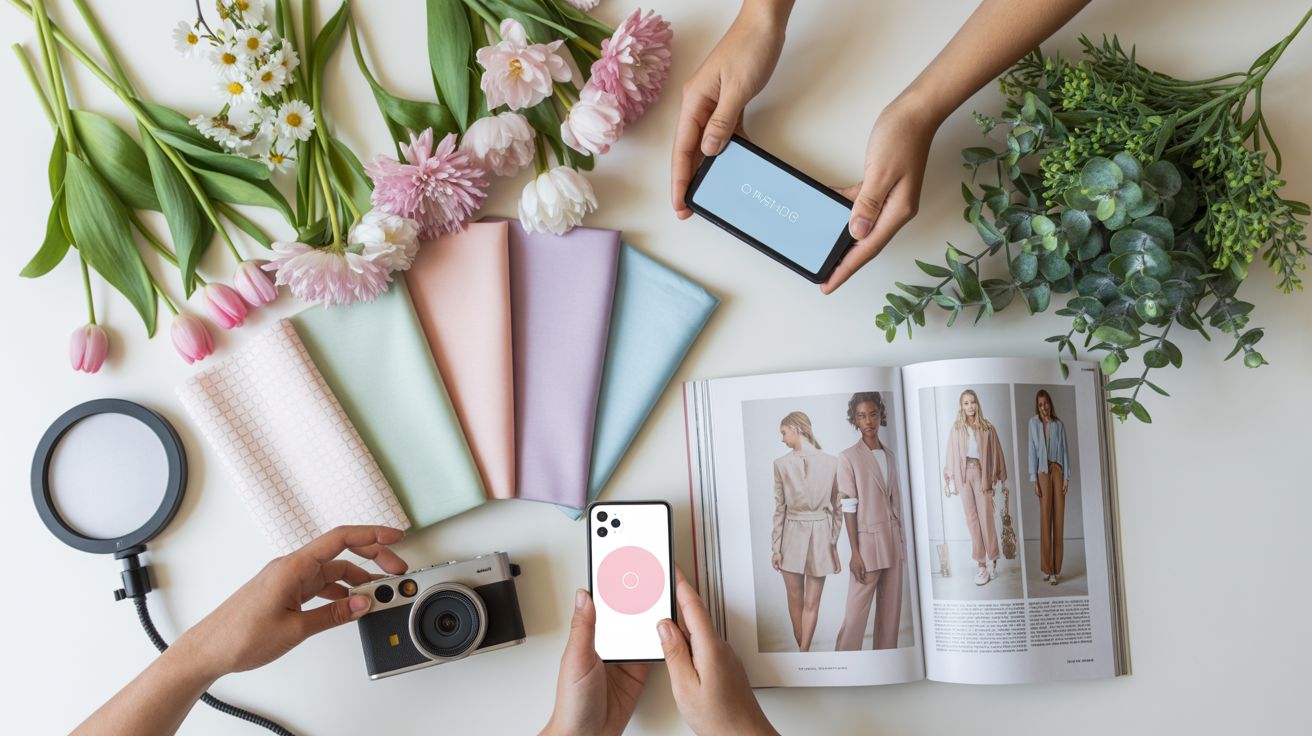
Pastels are spring's signature colors—blush pink, mint green, lavender, powder blue, soft yellow, and peach. These gentle, muted tones complement spring's natural palette of blooming flowers and fresh foliage without competing for attention.
Why they work: Pastels are universally flattering across all skin tones, creating a soft, approachable aesthetic that works for both professional and casual photos. They photograph beautifully in spring's natural light, which enhances their subtle tones without washing them out. Against spring backgrounds—green parks, blooming gardens, blue skies—pastels create harmonious, cohesive images that feel intentionally styled rather than accidentally matched. The softness of pastels also conveys approachability, warmth, and optimism, making them ideal for personal branding and professional headshots where you want to appear friendly and accessible.
Best uses: Professional headshots and LinkedIn photos benefit from pastels' polished-yet-approachable quality. Personal branding photos for coaches, consultants, creatives, and service professionals work beautifully in soft tones. Social media content with a feminine, gentle, or wellness-focused aesthetic aligns perfectly with pastel palettes. Small business marketing for boutiques, cafes, wellness services, and lifestyle brands leverages pastels' inviting quality.
Styling tips: Pair pastels with neutral bottoms (white, cream, beige, light gray) to keep the focus on your face. Use pastel accessories (scarves, jewelry) to add color without overwhelming. Layer different pastel tones for depth—a lavender cardigan over a cream top, for example. Avoid mixing too many pastels in one outfit; choose one pastel as your primary color and keep everything else neutral.
Fresh Brights and Jewel Tones
On the opposite end of the spectrum, fresh brights and jewel tones—emerald green, coral, bright yellow, turquoise, fuchsia, and sapphire blue—create bold, energetic spring photos that command attention.
Why they work: Bright colors pop against neutral backgrounds, making you the undeniable focal point of the image. They convey confidence, energy, and boldness—qualities that translate well for entrepreneurs, creative professionals, and anyone building a strong personal brand. In spring's abundant natural light, bright colors photograph vibrantly without appearing garish or overwhelming. Against green foliage or neutral urban backgrounds, jewel tones create striking contrast that makes images scroll-stopping on social media feeds.
Best uses: Social media content creators benefit from brights' attention-grabbing quality in crowded feeds. Creative professionals (designers, artists, photographers, marketers) can showcase personality through bold color choices. Entrepreneurs and business owners building confident, authoritative personal brands leverage jewel tones' power. Product photography and small business marketing for vibrant, energetic brands align with bright palettes.
Styling tips: Use bright colors as statement pieces—a coral blazer, an emerald dress, a turquoise scarf—and keep everything else neutral. Avoid mixing multiple bright colors in one outfit; choose one bold color and build around it. Consider your background carefully; bright colors work best against neutral settings (white walls, gray buildings, green parks) rather than competing with colorful backgrounds. Ensure the bright color flatters your skin tone—test in natural light before your shoot.
Classic Neutrals with Spring Accents
Neutrals—white, cream, beige, light gray, soft tan—form the foundation of timeless, versatile spring photo wardrobes. When accented with seasonal colors through accessories or layering, neutrals create sophisticated, professional images that work across multiple contexts.
Why they work: Neutrals are universally flattering, never go out of style, and work for any professional setting or personal brand. They let you be the focus of the image rather than your clothing. Neutrals photograph beautifully in any lighting condition and against any background, giving you maximum flexibility. By adding spring color through accessories—a pastel scarf, a bright bag, colorful jewelry—you can create seasonal relevance while maintaining the versatility of neutral foundations.
Best uses: Professional headshots and corporate photos where you want to appear polished and authoritative. Versatile wardrobe pieces that work for multiple photo types and settings. Business photos for conservative industries (finance, law, consulting) where bold colors might be inappropriate. Timeless images that won't look dated in six months or a year.
Styling tips: Layer neutrals in different tones for depth—cream over white, beige over gray. Add texture through fabric choices (linen, cotton, knits) to prevent neutral outfits from looking flat. Incorporate one spring accent color through accessories to create seasonal relevance. Ensure neutrals are crisp and clean; neutrals show wrinkles and stains more than darker colors.
Colors to Avoid in Spring Photos
Not all colors photograph well in spring settings. Some create problems with lighting, clash with natural backgrounds, or simply feel out of season.
Heavy blacks: While black is classic and slimming, it can feel too harsh and heavy for spring's light, airy aesthetic. Black absorbs light, creating a visual weight that contrasts uncomfortably with spring's brightness. In spring's abundant natural light, black can also create harsh shadows and high contrast that's unflattering. If you must wear black, soften it with lighter layers or accessories.
Muddy browns: Dark, muddy browns compete with natural spring backgrounds—tree trunks, soil, mulch—creating visual confusion about where you end and the background begins. Lighter tans and beiges work beautifully, but avoid dark chocolate browns and muddy earth tones in spring outdoor settings.
Neon colors: While bright colors work well, true neons (neon pink, neon green, neon yellow) overpower in spring's natural light, creating an artificial, garish quality. Neons also reflect unflattering color casts onto skin. Choose vibrant jewel tones instead of neons for bold color without the artificial quality.
Busy patterns: Small, intricate patterns (thin stripes, tiny checks, busy florals) create visual noise in photos, distracting from your face and creating a dated look. If you want pattern, choose large-scale, simple patterns or keep patterns to accessories rather than main garments.
> Want to perfect your spring photo colors and enhance natural lighting? Glowup's AI platform can optimize color balance, adjust lighting, and ensure your spring photos look professionally polished. Transform good spring photos into stunning ones in seconds.
Essential Spring Wardrobe Pieces for Great Photos
Building a spring photo wardrobe doesn't require a complete closet overhaul. Strategic, versatile pieces that photograph well and work across multiple settings give you maximum flexibility with minimal investment. These essential items form the foundation of a spring photo wardrobe that serves professionals, content creators, and anyone who needs regular photos.
Lightweight Layers
Spring weather is notoriously unpredictable—warm afternoons, cool mornings, sudden rain showers. Lightweight layers solve the practical problem of variable temperatures while adding visual interest and styling flexibility to your photos.
Key pieces: Cardigans in neutral or pastel tones, unstructured blazers in lightweight fabrics, denim jackets (light wash for spring), linen or cotton button-up shirts worn open over tanks or tees, light sweaters in breathable knits.
Why they work: Layers create depth and dimension in photos, preventing the flat, one-dimensional look of single-layer outfits. They give you styling options—worn open, buttoned, draped over shoulders—allowing you to create multiple looks from the same base outfit. Layers also provide texture contrast (smooth shirt under textured cardigan) that photographs beautifully. Practically, layers let you adjust to changing temperatures during outdoor spring shoots without compromising your look.
Styling tips: Keep layers fitted or semi-fitted; oversized, bulky layers add visual weight and hide your shape. Wear layers open to create vertical lines that elongate your silhouette. Choose layers in complementary colors—a cream cardigan over a pastel blue top, a light gray blazer over white. Ensure the layer underneath is photo-ready; you may want to remove the layer for some shots.
Breathable Fabrics
Spring's moderate temperatures call for fabrics that photograph well while keeping you comfortable during outdoor shoots. The right fabric choices prevent the sweaty, uncomfortable look of winter-weight clothing in spring weather.
Ideal fabrics: Cotton (crisp button-downs, t-shirts, casual dresses), linen (blazers, shirts, pants—embrace the natural wrinkle), chambray (shirts, dresses, lightweight jackets), lightweight knits (sweaters, cardigans), silk or satin (blouses, dresses for elevated looks).
Why they work: These fabrics are seasonally appropriate, preventing the "wrong season" look of heavy wool or thick fleece. They photograph beautifully, with natural texture and drape that creates visual interest without distraction. Breathable fabrics keep you comfortable during outdoor spring shoots, preventing the flushed, overheated appearance that ruins photos. They also move naturally, creating authentic, candid-looking images rather than stiff, posed shots.
Fabrics to avoid: Heavy wool (too warm, wrong season), thick fleece (bulky, casual), synthetic athletic fabrics (too casual, can create unflattering shine), heavy denim (too stiff, too warm).
Care tips: Press or steam fabrics before shoots; spring's lightweight fabrics show wrinkles more than heavier materials. Test fabrics in natural light before your shoot to ensure they don't create unexpected shine or transparency. Choose quality fabrics that drape well rather than cheap materials that look obviously inexpensive in photos.
Spring Dresses and Skirts
For those who wear dresses and skirts, spring offers beautiful options that photograph exceptionally well and capture the season's feminine, flowing energy.
Styles that work: Midi-length dresses (hitting mid-calf, universally flattering), A-line skirts (fitted at waist, flowing at hem), wrap dresses (adjustable, flattering on many body types), shirt dresses (casual-professional hybrid), flowy maxi dresses (for casual, lifestyle content).
Fabric and pattern choices: Solid colors in spring palettes (pastels, brights, neutrals) are most versatile. If you want pattern, choose large-scale florals, simple stripes, or subtle prints that don't overwhelm. Flowy fabrics (chiffon, cotton, linen) create movement and visual interest, especially in outdoor settings with natural breeze.
Styling for photos: Dresses and skirts create elegant, put-together looks with minimal effort—one piece instead of coordinating separates. They photograph beautifully in outdoor spring settings, with fabric movement adding dynamic energy to images. For professional settings, pair with structured blazers or cardigans. For casual content, style with denim jackets or wear alone. Consider the location—flowy dresses work beautifully in parks and gardens but may be impractical in urban settings with wind.
Versatility: Choose dresses and skirts that work for multiple photo types. A midi dress in a neutral color can be styled professionally with a blazer for headshots, casually with a denim jacket for lifestyle content, or elegantly alone for personal branding photos.
Smart Casual Combinations
For professional photos that aren't strictly corporate, smart casual combinations strike the perfect balance between polished and approachable—ideal for entrepreneurs, creative professionals, and modern workplace environments.
Winning combinations: Button-down shirt (white, light blue, pastel) with chinos or dark jeans; polo shirt with tailored pants; casual blazer over t-shirt with jeans; lightweight sweater with chinos; chambray shirt with neutral pants.
Gender-neutral options: These combinations work across gender presentations, making them ideal for team photos, diverse personal brands, and inclusive marketing materials. Focus on fit, quality, and color coordination rather than gendered styling rules.
Professional versatility: Smart casual works for a wide range of professional contexts—LinkedIn photos, website headshots, conference materials, team photos, and personal branding content. It's professional enough for credibility but approachable enough for relatability, making it the sweet spot for modern professional photography.
Styling tips: Ensure everything fits well; smart casual relies on good fit to look intentional rather than sloppy. Roll sleeves on button-downs for a relaxed, approachable look. Keep colors coordinated but not matchy-matchy. Add one elevated element (nice watch, quality shoes, structured bag) to signal intentionality.
Accessories That Enhance Spring Photos
Accessories add personality, color, and visual interest to spring photos without requiring wardrobe investment. Strategic accessory choices elevate simple outfits and create variety across multiple shots.
Effective accessories: Scarves (lightweight silk or cotton in spring colors), hats (wide-brim for sun protection and style, baseball caps for casual looks), sunglasses (classic styles, not trendy shapes that date quickly), jewelry (simple, not distracting), watches (classic, quality pieces), bags (structured, quality materials).
Strategic use: Accessories add pops of spring color to neutral outfits—a coral scarf with a white shirt, a turquoise necklace with a beige dress. They create visual interest and break up solid colors, preventing flat, boring images. Accessories also communicate personality and style, helping your photos feel authentic and personal rather than generic.
What not to do: Don't over-accessorize; too many accessories create visual clutter and distract from your face. Avoid trendy, statement pieces that will date your photos quickly. Skip accessories with logos or branding unless it's intentional product placement. Remove accessories that create glare or reflection in photos (highly reflective jewelry, mirrored sunglasses).
Versatility: Choose accessories that work with multiple outfits, allowing you to create variety without buying numerous pieces. A neutral scarf in a spring color, classic sunglasses, and simple jewelry can transform the same base outfit into multiple distinct looks.
Fabric and Texture Choices for Spring Photography
Beyond color and style, the fabrics and textures you choose dramatically affect how your clothing photographs. Understanding how different materials behave in photos helps you select pieces that look professional and polished rather than cheap or distracting.
Smooth vs. textured fabrics: Smooth fabrics (cotton poplin, silk, satin) create clean, polished looks ideal for professional headshots and corporate photos. They photograph evenly without visual distraction, keeping focus on your face. Textured fabrics (knits, linen, chambray, tweed) add visual interest and dimension, preventing flat, boring images. They work beautifully for personal branding and lifestyle content where you want personality and warmth. The key is balance—pair smooth and textured pieces together (smooth shirt under textured cardigan) for optimal visual interest.
How different materials photograph: Cotton photographs beautifully—crisp, clean, and true to color. It's the most reliable fabric for photography. Linen has natural texture and wrinkles that create casual, authentic looks; embrace the wrinkle rather than fighting it. Silk and satin create elegant, elevated looks but can produce unwanted shine in certain lighting; test before your shoot. Denim is versatile and photographs well in lighter washes for spring; avoid very dark or distressed denim. Knits add texture and warmth but can add visual bulk; choose fitted or semi-fitted knits rather than oversized.
Avoiding distracting patterns: Busy patterns create visual noise that distracts from your face and makes photos feel chaotic. Thin stripes can create a moiré effect (wavy, distorted lines) in digital photos. Small checks and tiny patterns look busy and dated. If you want pattern, choose large-scale, simple designs—big florals, wide stripes, bold geometric shapes. Better yet, keep patterns to accessories (patterned scarf, printed bag) and wear solid colors for main garments.
Texture layering for visual interest: Combining different textures in one outfit creates depth and dimension that photographs beautifully. Examples: smooth cotton shirt under textured knit cardigan; silk blouse with denim jacket; linen pants with cotton t-shirt. Texture contrast prevents the flat, one-dimensional look of single-texture outfits while maintaining a cohesive, intentional aesthetic.
Seasonal appropriateness: Fabric weight and type communicate season. Lightweight, breathable fabrics (cotton, linen, chambray) signal spring and summer. Heavy, thick fabrics (wool, fleece, corduroy) signal fall and winter. Wearing seasonally appropriate fabrics ensures your photos don't look dated or out of place. Spring photos in winter fabrics will look wrong even if the color and style are perfect.
Quality matters in photos: The camera captures details the eye might miss. Cheap fabrics with poor drape, pilling, or obvious synthetic sheen look obviously inexpensive in photos. Invest in quality basics that photograph well—a good cotton button-down, quality denim, well-made knits. These pieces serve you across multiple photo shoots and always look polished.
Location Ideas: Where to Shoot Spring Photos
Location is as important as styling in creating beautiful spring photos. The right location enhances your images, provides context, and leverages spring's natural beauty. These location ideas work for various photo types and are accessible in most areas.
Outdoor Spring Locations
Spring transforms outdoor spaces into stunning natural studios. Taking advantage of these seasonal backdrops elevates your photos without requiring expensive setups or artificial backgrounds.
Parks and gardens: Public parks, botanical gardens, and community gardens offer the quintessential spring backdrop—blooming flowers, fresh green foliage, and natural beauty. Cherry blossom trees, tulip gardens, magnolia blooms, and flowering trees create Instagram-worthy settings. Look for variety within one location—flower beds for colorful backgrounds, tree-lined paths for depth, open lawns for clean, simple backgrounds. Visit locations before your shoot to scout the best spots and check bloom timing.
Urban settings: Cities come alive in spring, offering dynamic, energetic backdrops. Colorful building facades, street art and murals, outdoor cafes with sidewalk seating, historic architecture, and pedestrian areas create authentic urban spring vibes. Urban settings work particularly well for professional headshots, personal branding for entrepreneurs and creatives, and lifestyle content. They communicate energy, modernity, and connection to place.
Waterfront areas: Lakes, rivers, beaches, and harbors provide beautiful, calming backgrounds with natural light reflection. Waterfront locations offer open sky (great for even lighting), interesting textures (water, sand, rocks), and fewer visual distractions than busy urban or park settings. They work for both professional and casual photos, creating clean, timeless images.
Residential neighborhoods: Tree-lined streets, charming architecture, front porches, and garden gates in residential areas create warm, approachable backgrounds. These locations feel authentic and relatable, working beautifully for personal branding, lifestyle content, and small business marketing. They're also typically less crowded than popular parks or urban centers, giving you privacy and flexibility.
Indoor Locations for Spring Photos
Not every spring photo needs to be outdoors. Indoor locations offer controlled environments, consistent lighting, and weather independence while still capturing spring's fresh energy.
Natural light studios: Professional studios with large windows and neutral backgrounds provide the best of both worlds—controlled environment with beautiful natural light. They're ideal for professional headshots, product photography, and situations where you need consistency and perfection. Many cities have affordable hourly studio rentals specifically designed for photography.
Home setups: Your own home, particularly near large windows, can serve as an excellent photo location. Set up near your best window light (see the natural light photography guide for details), use clean, neutral walls as backgrounds, and create a dedicated photo corner. Home setups are convenient, free, and allow you to shoot whenever lighting is optimal without travel or scheduling constraints.
Coffee shops and cafes: Local cafes with good natural light and aesthetic interiors create authentic, lifestyle-oriented backgrounds. They work beautifully for personal branding photos, casual professional headshots, and content that emphasizes approachability and authenticity. Get permission from the business before shooting, visit during off-peak hours, and consider featuring the business in your captions as a thank-you.
Professional offices: For corporate headshots, team photos, and professional branding, office environments provide appropriate, credible backgrounds. Modern offices with natural light, clean design, and neutral colors photograph best. Avoid busy, cluttered office backgrounds; choose simple, professional settings that don't distract from the subject.
Matching Outfits to Locations
The relationship between your outfit and location determines whether your photos feel cohesive and intentional or mismatched and amateurish.
Complementary vs. contrasting backgrounds: Complementary approach: wear colors that harmonize with your background (pastels in a flower garden, neutrals in an urban setting, blues near water). This creates cohesive, aesthetically pleasing images. Contrasting approach: wear colors that pop against your background (bright coral against green foliage, white against colorful urban walls). This makes you the undeniable focal point. Both approaches work; choose based on your desired aesthetic and brand.
Avoiding color clashes: Don't wear colors that compete with or clash with your background. Wearing bright florals in a flower garden creates visual confusion. Wearing the exact same green as the foliage makes you blend in rather than stand out. Wearing colors that clash with your background (orange against pink flowers, for example) creates jarring, unpleasant images. Scout your location and plan your outfit accordingly.
Urban vs. natural location styling: Urban locations pair well with polished, structured styling—blazers, button-downs, clean lines, bold colors. Natural locations pair well with softer, flowing styling—dresses, cardigans, pastels, relaxed fits. Matching your styling to your location creates visual harmony and ensures your photos feel intentional rather than random.
Timing Your Spring Photo Shoots
When you shoot is as important as where and what you wear. Spring's variable weather and changing light conditions require strategic timing to capture optimal conditions.
Best times of day: Golden hour—the hour after sunrise and the hour before sunset—provides the most flattering natural light for spring photos. Morning golden hour (typically 6-8 AM in spring) offers crisp, clear light with minimal atmospheric haze, fresh energy, and fewer crowds at popular locations. Evening golden hour (typically 6-8 PM in spring) provides warm, glowing light, extended shooting time as days lengthen, and romantic, dreamy quality. Midday (10 AM-3 PM) is challenging due to harsh overhead light but works on overcast days or in shaded locations.
Weather considerations: Overcast days are actually ideal for spring photography—clouds diffuse harsh sunlight, creating soft, even lighting that's universally flattering. Colors appear rich and saturated, and you can shoot at any time without worrying about harsh shadows. Sunny days provide vibrant, energetic images but require careful timing (golden hour) to avoid harsh light. Light rain creates moody, artistic opportunities (if you protect your equipment) and makes colors pop. Avoid shooting in heavy rain, strong wind (which creates unflattering hair and clothing chaos), or extreme weather.
Peak bloom timing: Spring bloom timing varies by location and year, typically spanning 6-8 weeks from early to late spring. Early spring (March-early April in most temperate zones) brings cherry blossoms, magnolias, and early bulbs. Mid-spring (mid-April-early May) offers tulips, daffodils, and flowering trees at peak. Late spring (late May-early June) features roses, peonies, and late bloomers. Research bloom timing in your area, follow local parks and gardens on social media for bloom updates, and be ready to shoot quickly—peak bloom often lasts only 1-2 weeks.
Avoiding harsh midday light: If you must shoot midday, use these strategies: seek shade (under trees, building overhangs, covered areas), shoot on overcast days when clouds diffuse harsh sun, use north-facing locations that receive indirect light, or shoot indoors near windows. Harsh midday light creates unflattering shadows under eyes and nose, blown-out highlights, and high contrast that's difficult to manage.
Planning around spring rain and wind: Spring weather is unpredictable. Have backup plans: indoor locations for rainy days, earlier or later shoot times if weather is expected to change, flexibility to reschedule if conditions are truly unfavorable. Check weather forecasts but don't trust them completely—spring weather changes quickly. Have a backup outfit and location plan so you're not scrambling if conditions change.
Spring Photo Styling Tips by Use Case
Different photo purposes require different styling approaches. These use-case-specific tips ensure your spring photos serve their intended purpose effectively.
Professional Headshots and LinkedIn Photos
Professional headshots require polished, credible styling that communicates competence and approachability while leveraging spring's fresh energy.
Polished but approachable spring styling: Choose classic, professional pieces in spring colors—a pastel blazer, a crisp white shirt, a light blue button-down. Avoid overly casual spring styling (sundresses, shorts, flip-flops) that undermines professional credibility. The goal is "professional with a fresh, modern edge" rather than "corporate and stuffy" or "too casual."
Color choices for professional settings: Pastels and neutrals work best for professional headshots—they're polished without being harsh, fresh without being frivolous. Avoid very bright or neon colors that may be too bold for conservative industries. If you're in a creative field, you have more flexibility for bolder spring colors. Consider your industry norms and personal brand.
Background selection for credibility: For professional headshots, choose clean, simple backgrounds that don't distract—neutral walls, soft-focus greenery, professional office settings. Avoid busy, cluttered backgrounds or overly casual settings (beaches, playgrounds) that undermine professional credibility. Spring outdoor backgrounds work beautifully if they're soft-focus and don't compete with your face.
Social Media Content and Personal Branding
Social media and personal branding photos allow more creativity and personality while still maintaining strategic intentionality.
On-brand spring styling: Your spring photos should align with your established personal brand colors, aesthetic, and messaging. If your brand is soft and feminine, lean into pastels and flowing fabrics. If your brand is bold and energetic, embrace bright spring colors and dynamic poses. If your brand is minimalist and modern, choose clean neutrals with subtle spring accents. Consistency across your spring content creates a cohesive, recognizable visual brand.
Creating cohesive spring content series: Plan multiple spring photos with consistent styling, locations, and editing to create a cohesive content series. This might be a week of spring outfit posts, a series of spring location features, or a spring color palette challenge. Cohesive series perform better on social media and create a polished, intentional feed aesthetic.
Balancing trendy and timeless: Spring trends (specific colors, styles, poses) can make your content feel current and relevant, but overly trendy photos date quickly. Balance trendy elements (a trendy spring color, a popular location) with timeless styling (classic cuts, neutral bases) to create photos that feel fresh now but won't look dated in six months.
Small Business Marketing Photos
Small businesses can leverage spring's energy to create inviting, engaging marketing materials that attract customers.
Team photos with spring energy: Update team photos in spring to capture fresh, energetic vibes. Coordinate team outfits in complementary spring colors (not matching, but harmonious). Choose outdoor spring locations (in front of your business with blooming flowers, in a local park) or indoor locations with spring styling (fresh flowers, spring colors). Spring team photos communicate that your business is current, vibrant, and thriving.
Product photography with seasonal styling: Style product photos with spring elements—fresh flowers, pastel backgrounds, natural light, outdoor settings. Spring product photography creates seasonal relevance and urgency (customers want spring products now) while showcasing your offerings in beautiful, shareable images. This works for physical products, services (styled service photos), and digital products (mockups with spring styling).
Storefront and location photos in spring: Spring is the ideal time to update your storefront, office, or location photos. Blooming flowers, fresh paint, clean sidewalks, and abundant natural light make your physical space look inviting and well-maintained. These photos serve your Google Business Profile, website, social media, and marketing materials for months to come.
Lifestyle and Casual Content
Lifestyle content captures authentic moments and activities, styled intentionally but appearing natural and candid.
Authentic spring moments: Lifestyle spring photos might include: coffee on a sunny patio, walking through a blooming park, reading outdoors, picnics, farmers market visits, gardening, outdoor workouts. Style these moments intentionally (coordinated outfit, good lighting, clean background) while maintaining authentic, candid energy. The goal is "effortlessly beautiful" even though it's actually quite effortful.
Activity-based photo styling: When photographing activities, ensure your outfit is appropriate for the activity (don't wear heels to a park walk) while still being photo-ready. Choose activewear that's flattering and coordinated, casual outfits that are intentional and clean, and accessories that enhance rather than hinder the activity.
Capturing spring's energy naturally: The best lifestyle spring photos capture genuine joy, relaxation, and engagement with the season. Laugh authentically, interact with your environment (smell flowers, feel sunshine, enjoy the moment), and let your photographer capture candid moments alongside posed shots. These authentic images resonate more than stiff, overly posed lifestyle content.
> Ready to perfect your spring photos with AI enhancement? Sign up for Glowup and transform your spring images into professional-quality photos with optimized lighting, color, and composition. Make this your most photogenic spring yet.
Common Spring Photo Styling Mistakes to Avoid
Even with the best intentions, certain mistakes can undermine your spring photos. Avoiding these common pitfalls ensures your images look professional and intentional.
Wearing winter-weight clothing: Heavy sweaters, thick coats, wool scarves, and winter boots look obviously out of season in spring photos, even if the weather is still cool. Photos are visual, and viewers respond to what they see—winter clothing in spring settings creates cognitive dissonance. Choose lightweight layers that look seasonally appropriate even if you need to add a coat between shots.
Ignoring weather realities: Conversely, don't wear summer-weight clothing (tank tops, shorts, sandals) in early spring when it's still quite cold. You'll look uncomfortable, cold, and out of touch with reality. Your discomfort will show in your photos—tense shoulders, hunched posture, forced smiles. Dress appropriately for actual temperatures while maintaining spring aesthetics through color and styling.
Clashing with spring backgrounds: Wearing colors that compete with or clash with spring's natural palette creates jarring, unpleasant images. Avoid wearing bright florals in flower gardens (too much visual competition), the exact same green as foliage (you'll blend in), or colors that clash with your chosen background (orange against pink blossoms). Scout your location and plan your outfit to complement or contrast intentionally.
Over-accessorizing: Too many accessories create visual clutter, distract from your face, and make photos feel chaotic. Wearing statement earrings, a bold necklace, a patterned scarf, a large hat, and sunglasses all at once is too much. Choose one or two accessories that enhance your outfit and keep everything else simple. Remember: in photos, less is usually more.
Ignoring wrinkles and fit: Spring's lightweight fabrics show wrinkles, poor fit, and fabric issues more than heavier winter clothing. Wrinkled linen, ill-fitting shirts, and rumpled dresses look sloppy in photos even if they're acceptable in person. Press or steam your clothing before shoots, ensure everything fits properly, and check your appearance frequently during outdoor shoots where wind and movement can create disarray.
Missing the seasonal window: Spring's peak beauty is brief—typically 6-8 weeks depending on your location. Procrastinating means missing optimal bloom, perfect weather, and ideal lighting. By the time you finally schedule your shoot, spring may have transitioned to summer, flowers may have faded, and the seasonal opportunity is lost. Plan your spring photo shoots early in the season and execute quickly when conditions are optimal.
Putting It All Together: Your Spring Photo Action Plan
You now have comprehensive knowledge about spring photo styling. Here's your actionable plan to create stunning spring photos this season.
Audit your current wardrobe for spring photo pieces: Go through your closet and identify pieces that work for spring photography: lightweight layers, breathable fabrics, spring colors (pastels, brights, neutrals), dresses and skirts, smart casual combinations, and effective accessories. Pull these pieces together and create potential outfit combinations. Try them on, photograph them in natural light, and assess what works.
Identify gaps and make strategic additions: Based on your audit, identify what's missing. Do you need a pastel blazer? A crisp white shirt? A lightweight cardigan? A spring dress? Make a targeted shopping list of 3-5 key pieces that will complete your spring photo wardrobe. Focus on versatile, high-quality pieces that work across multiple photo types rather than trendy, single-use items.
Plan your spring photo shoot: Choose your location based on your photo purpose (professional headshots, social media content, business marketing). Research bloom timing and scout locations in advance. Check weather forecasts and plan for optimal conditions. Decide whether you'll shoot during business hours or when closed, with a photographer or self-timer, indoors or outdoors. Create a shot list of specific images you need.
Prepare multiple outfit options for variety: Don't rely on a single outfit for your spring shoot. Prepare 2-4 outfit options that work for your chosen location and photo purpose. This gives you variety, backup options if something doesn't work, and multiple looks from one shoot. Lay out complete outfits including accessories, press or steam everything, and pack them carefully if you're traveling to your location.
Schedule your shoot during optimal spring weeks: Don't wait until late spring when bloom is fading and weather is transitioning to summer. Schedule your shoot during your area's peak spring weeks—typically mid-April through mid-May in temperate zones, earlier in warmer climates, later in cooler regions. Follow local parks and gardens on social media to track bloom timing and be ready to shoot quickly when conditions are perfect.
Use AI enhancement to perfect your spring photos: Even with perfect styling, lighting, and location, AI enhancement can take your spring photos from good to exceptional. Glowup's AI platform optimizes lighting, enhances colors, smooths skin, removes distractions, and creates professional-quality images from your spring photos. It's the final step that ensures your spring photos are truly stunning and ready for any professional or personal use.
Conclusion
Spring offers a unique, time-limited opportunity to create stunning photos that leverage the season's natural beauty, optimal lighting, and fresh energy. Through strategic styling choices—spring color palettes, lightweight fabrics, versatile wardrobe pieces, and intentional accessories—you can create images that stand out, serve multiple purposes, and capture this beautiful season at its peak.
The key takeaways: choose colors that complement spring's natural palette (pastels, brights, or neutrals with spring accents), select lightweight, breathable fabrics appropriate for the season, plan your shoot during optimal timing (golden hour, peak bloom, good weather), match your styling to your location and photo purpose, and avoid common mistakes that undermine otherwise good photos.
Don't let another spring pass without capturing it. The seasonal window is brief—typically just 6-8 weeks of peak conditions—and the photos you create now will serve your professional brand, social media presence, and personal image for months to come. Whether you're updating your LinkedIn headshot, planning a month of spring content, refreshing your business marketing materials, or simply want beautiful photos of yourself, spring is your moment.
Plan your spring photo shoot this week. Audit your wardrobe, identify your best location, check bloom timing in your area, and schedule your shoot during optimal conditions. With the styling knowledge from this guide and strategic planning, you'll create spring photos that are fresh, professional, and truly stunning.
Fresh season, fresh photos, fresh start. Make this spring your most photogenic season yet.