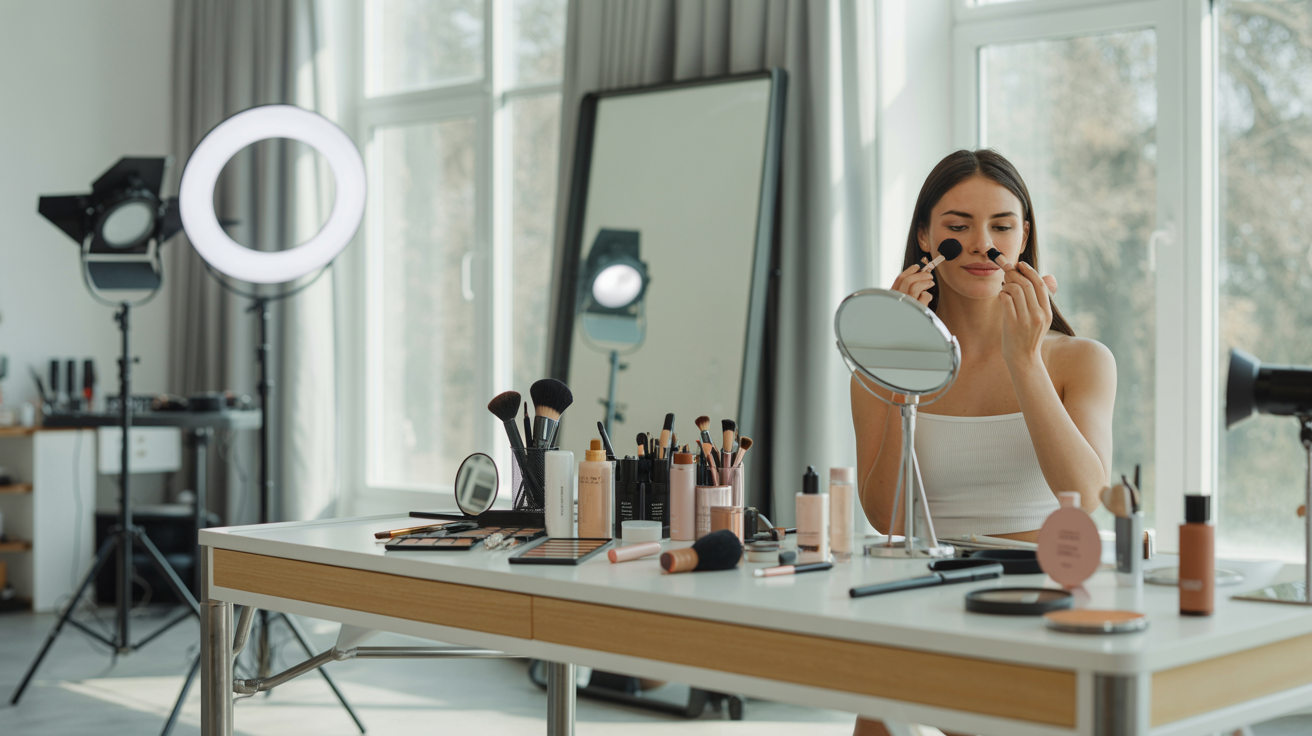
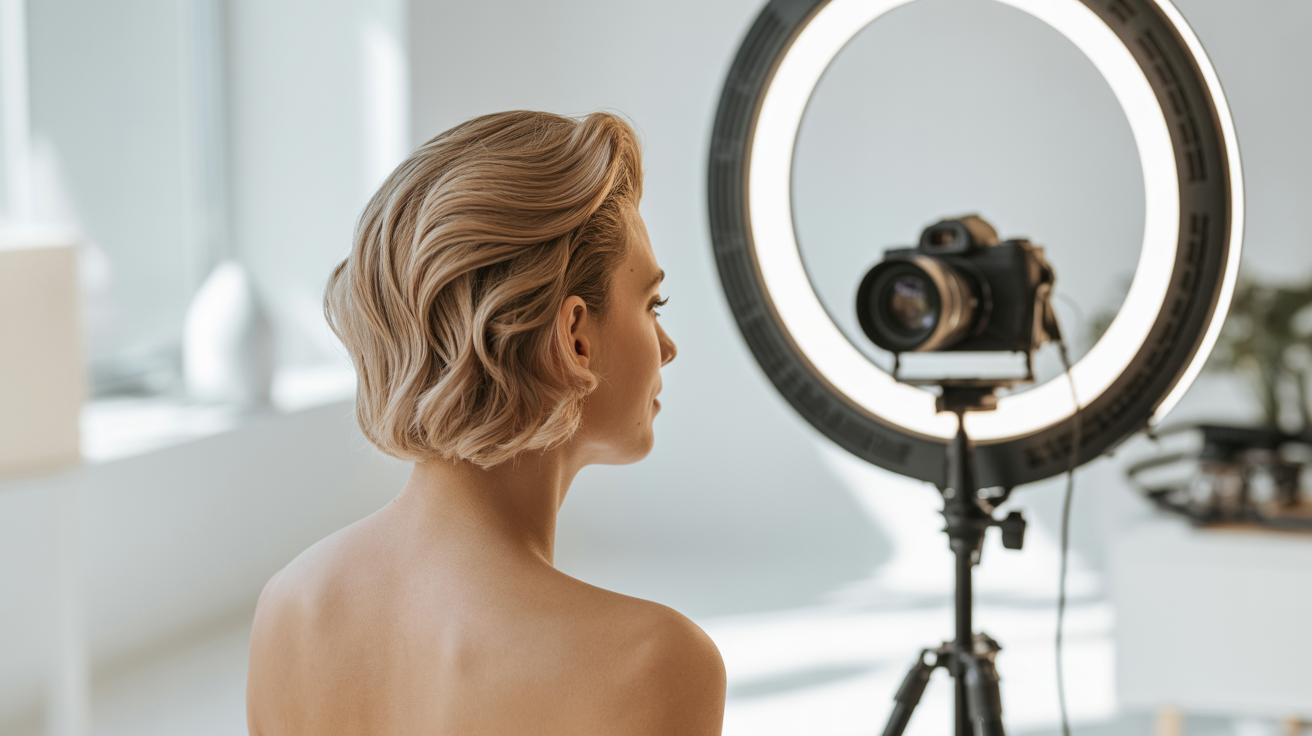
Your hair is one of the most visually dominant elements in any photograph. Before a viewer registers your expression, your outfit, or your background, they've already processed your hair — its shape, texture, volume, and condition. A great hairstyle can elevate a good photo into a great one. Poorly prepped hair can undermine even the most carefully planned photoshoot. And yet, hair preparation is one of the most overlooked aspects of photoshoot planning for professionals, entrepreneurs, content creators, and small business owners alike.
This guide covers everything you need to know about prepping and styling your hair for any type of photoshoot — professional headshots, brand photography sessions, social media content creation, team photos, and more. Whether your hair is straight, wavy, curly, coily, short, long, natural, or color-treated, the principles here apply. This is a gender-neutral, inclusive guide for anyone who wants their hair to look its absolute best on camera.
Why Hair Matters More in Photos Than in Real Life
There's a significant difference between how hair looks in person and how it photographs. In real life, your brain fills in context — it understands that a few flyaways are normal, that hair moves, that texture is natural. A camera doesn't have that context. It captures a single frozen moment, and in that moment, every detail is permanent.
Cameras amplify texture and volume. Hair that looks fine in a mirror can appear frizzy, flat, or unruly in a photo. Conversely, well-prepped hair with good volume and definition photographs beautifully — the camera captures the dimension and shape in a way that looks polished and intentional.
Lighting interacts with hair differently than with skin. Hair reflects light in complex ways. Shiny, healthy hair catches light and creates beautiful highlights. Dry, damaged hair absorbs light and looks flat and dull. Frizz creates a halo of scattered light around the head that's difficult to correct in editing. Understanding how your hair interacts with light helps you prep it to photograph at its best.
Hair frames your face. In a headshot or portrait, your hair is the frame around the most important element of the image — your face. A well-styled frame draws the eye inward toward your expression. A distracting frame — whether from frizz, flyaways, or an unflattering shape — pulls the eye away from where it should be.
Photos last. Unlike a video call or an in-person meeting where your hair is seen in motion and context, a photo is permanent. Your headshots might be used for two years. Your brand photos might appear on your website for even longer. The investment in getting your hair right for a photoshoot pays dividends across every impression those images make.
The Timeline: When to Do What Before Your Shoot
One of the most common hair mistakes before a photoshoot is poor timing. Washing your hair the morning of a shoot, for example, often produces hair that's too soft and slippery to hold a style. Here's the optimal timeline for most hair types.
2-3 Days Before: Color and Chemical Treatments
If you're planning to color your hair, get a trim, or have any chemical treatment (relaxer, keratin treatment, perm), do it 2-3 days before your shoot — not the day before or the day of.
Why the timing matters: Fresh color can look too saturated or shiny on camera, and the scalp can appear irritated or red. Fresh cuts can look slightly uneven until they settle. Chemical treatments need time to fully set and for any residual product to wash out. Two to three days gives everything time to settle into its natural, most photogenic state.
Exception: If you're getting a blowout or professional styling specifically for the shoot, that should happen the morning of or the day before (see below).
1-2 Days Before: The Ideal Wash Window
For most hair types, washing your hair 1-2 days before a photoshoot produces the best results. Here's why:
Day-old hair holds styles better. Freshly washed hair is often too clean and slippery — it lacks the natural oils and texture that help styles hold. Hair that's been washed 24-48 hours before a shoot has just enough natural texture and grip to hold curls, waves, and blowouts beautifully.
Natural oils add shine and reduce frizz. The natural sebum your scalp produces is actually a great styling aid. It adds a healthy sheen to hair and helps smooth the cuticle, reducing frizz. Hair that's been washed too recently lacks this natural conditioning.
Exception for oily hair types: If your hair gets visibly oily within 24 hours of washing, wash the morning of the shoot and use a lightweight dry shampoo at the roots to add texture and absorb excess oil.
The Day Before: Deep Conditioning (If Needed)
If your hair is dry, damaged, or color-treated, a deep conditioning treatment the day before your shoot can make a significant difference in how your hair photographs. Apply a deep conditioner or hair mask, leave it on for 20-30 minutes, then rinse thoroughly.
What to look for: After conditioning, your hair should feel soft and smooth, not weighed down or greasy. If it feels heavy or limp, you've used too much product or left it on too long. Rinse again with cool water to close the cuticle and add shine.
Avoid: Protein treatments the day before a shoot. Protein treatments can temporarily make hair feel stiff or brittle, which doesn't photograph well. Save protein treatments for at least a week before your shoot.
Morning of the Shoot: Styling and Final Prep
The morning of your shoot is for styling, not washing (unless you have oily hair). Here's your morning-of checklist:
1. Assess your hair's condition. Is it holding its shape from the day before? Does it need refreshing? Use a light mist of water or a curl refresher spray to reactivate any styling products from the previous day.
2. Apply styling products. Use the minimum amount of product needed to achieve your desired look. More product is not better — it can weigh hair down, create buildup, and look greasy on camera.
3. Style with heat tools if needed. Use a heat protectant before any heat styling. Keep tools at the appropriate temperature for your hair type (lower for fine or damaged hair, higher for thick or coarse hair).
4. Finish with a light-hold product. A light hairspray, serum, or finishing cream can smooth flyaways and add shine without making hair look stiff or product-heavy.
5. Do a final check in natural light. Check your hair in natural light (near a window) rather than bathroom lighting. Natural light reveals frizz, flyaways, and uneven texture that artificial lighting can hide.
Ready to see how great your photos can look? Glowup's AI photo platform transforms your photos into polished professional images. Try it free at glowuplab.app.
Hair Prep by Hair Type: Tailored Advice for Every Texture
Different hair types have different needs before a photoshoot. Here's how to prep your specific hair type for the best possible results.
Straight Hair
Straight hair photographs beautifully when it's smooth, shiny, and has good movement. The main challenges are flatness (lack of volume) and flyaways.
For volume: Apply a volumizing mousse or spray to damp hair before blow-drying. Use a round brush to lift the roots as you dry. Finish with a light-hold hairspray at the roots for lasting volume.
For smoothness: Use a smoothing serum or cream on the mid-lengths and ends before blow-drying. Blow-dry in the direction of the cuticle (downward) to smooth the hair shaft and add shine.
For flyaways: A light mist of hairspray on a clean toothbrush or a small amount of hair serum on your fingertips can tame flyaways without making hair look stiff. Avoid applying product directly to the top of your head — it can create a greasy, flat look.
What to avoid: Heavy oils or serums that weigh hair down. Excessive product that creates buildup. Sleeping with wet hair the night before (it creates uneven texture and kinks).
Wavy Hair
Wavy hair has natural texture and movement that photographs beautifully — when it's defined and frizz-free. The main challenges are frizz and inconsistent wave pattern.
For definition: Apply a curl-enhancing cream or mousse to damp hair and scrunch upward to encourage the wave pattern. Diffuse on low heat or air-dry for the most natural, defined waves.
For frizz control: Apply a lightweight anti-frizz serum or oil to damp hair before styling. Avoid touching your hair while it dries — this disrupts the wave pattern and creates frizz.
For a polished look: Once hair is fully dry, use a small amount of a smoothing serum on the surface to add shine and tame any surface frizz without disturbing the wave pattern underneath.
What to avoid: Brushing wavy hair when dry (it creates frizz and disrupts the wave pattern). Heavy creams that weigh waves down. Sleeping with hair loose — braid it loosely or use a silk pillowcase to preserve the wave pattern overnight.
Curly Hair
Curly hair is stunning in photos — the texture, volume, and definition create visual interest that straight hair simply can't match. The key is definition, moisture, and frizz control.
For definition: Apply a leave-in conditioner to damp hair, followed by a curl-defining cream or gel. Use the "praying hands" method to smooth product through each curl section, then scrunch upward to encourage curl formation. Diffuse on low heat or air-dry.
For moisture: Curly hair tends to be drier than other hair types because the natural oils from the scalp have a harder time traveling down the curl shaft. Deep condition 1-2 days before your shoot and use a leave-in conditioner as part of your styling routine.
For volume: Flip your head upside down while diffusing to encourage root lift and volume. Once hair is fully dry, gently scrunch out any crunch from gel with a small amount of oil on your hands.
What to avoid: Touching curls while they're drying (creates frizz). Skipping the leave-in conditioner (leads to dryness and frizz). Using products with drying alcohols (they strip moisture and create frizz).
Coily/4C Hair
Coily hair has incredible visual presence in photos — the density, texture, and volume create a powerful, striking look. The priorities are moisture, definition, and managing shrinkage if desired.
For a defined look: Apply a generous amount of leave-in conditioner to freshly washed, damp hair. Follow with a curl cream or butter, working in sections. Use the shingling method (applying product curl by curl) for maximum definition. Diffuse or air-dry.
For a stretched look: If you prefer a stretched style (twist-out, braid-out, or blown-out), do the stretching process the night before your shoot so the style has time to set and cool completely.
For moisture: Coily hair requires more moisture than any other hair type. Use the LOC method (Liquid, Oil, Cream) to layer moisture effectively. Well-moisturized coily hair photographs with a beautiful sheen and defined texture.
What to avoid: Skipping moisture (dry coily hair photographs as dull and undefined). Rushing the drying process with high heat (it can cause shrinkage and frizz). Manipulating the hair too much after styling.
Fine or Thinning Hair
Fine or thinning hair requires a different approach — the goal is to maximize the appearance of volume and fullness without making hair look flat or sparse.
For volume: Use a volumizing shampoo and conditioner. Apply a volumizing mousse to roots before blow-drying. Blow-dry with your head flipped upside down to maximize root lift. Use a round brush to add body and movement.
For fullness: A light-hold dry shampoo at the roots adds texture and lift. Avoid heavy conditioners on the roots — apply conditioner only to the mid-lengths and ends.
For styling: Styles that add volume — loose waves, a blowout with body, a textured updo — photograph better than styles that lie flat against the head. Consider a side part rather than a center part, which can emphasize thinning at the crown.
What to avoid: Heavy oils or serums on the roots (they weigh fine hair down and make it look flat). Tight, slicked-back styles that emphasize thinning. Excessive product that creates buildup and reduces volume.
Color-Treated Hair
Color-treated hair has specific needs before a photoshoot, particularly around maintaining vibrancy and managing damage.
For color vibrancy: Use a color-depositing conditioner or gloss treatment 1-2 days before your shoot to refresh and intensify your color. This is particularly effective for brunettes (brown-depositing treatments add depth and richness) and blondes (purple or blue-toning treatments neutralize brassiness).
For damage management: Color-treated hair is more prone to dryness and breakage. Deep condition 1-2 days before your shoot. Use a bond-building treatment (like Olaplex) if your hair is significantly damaged.
For shine: Color-treated hair can look dull on camera if it's dry or damaged. A shine serum or gloss spray applied to dry hair before your shoot adds the reflective quality that makes color-treated hair look vibrant and healthy in photos.
What to avoid: Washing color-treated hair too frequently before the shoot (it fades color). Using clarifying shampoos (they strip color). Skipping heat protectant when using heat tools.
Styling Approaches for Different Types of Photoshoots
Different photoshoot contexts call for different hair styling approaches. Here's how to adapt your prep for specific situations.
Professional Headshots
For professional headshots — LinkedIn photos, corporate portraits, author photos, speaker bios — the goal is polished, timeless, and distraction-free. Your hair should look well-groomed and intentional without being so styled that it looks stiff or artificial.
Best approaches: A clean blowout with natural movement, well-defined curls or waves, a neat updo or half-up style, or a well-groomed natural style. The key is that every strand looks intentional — not a single flyaway, not a hair out of place.
What to avoid: Overly trendy styles that will look dated quickly (your headshots may be used for 1-2 years). Styles that require constant adjustment (you'll be fidgeting during the shoot). Anything that casts shadows on your face (very voluminous styles can block light from reaching the sides of your face).
Practical tip: If you're getting a professional blowout for your headshots, schedule it for the morning of the shoot or the evening before. Bring a few bobby pins and a small amount of hairspray to the shoot for touch-ups.
Brand Photography Sessions
Brand photography is more expressive than corporate headshots — it's an opportunity to show your personality and style. Your hair can be more creative and personal, as long as it aligns with your brand identity.
Best approaches: A style that reflects your brand personality. If your brand is polished and professional, a sleek blowout or defined updo works well. If your brand is creative and approachable, loose waves or a natural texture might be more authentic. If your brand is bold and energetic, a statement style can reinforce that energy.
Consistency across outfits: If you're shooting multiple outfit changes, plan how your hair will work with each look. You might wear your hair down for one outfit and up for another — this creates variety in your image library without requiring a full restyling between shots.
Social Media Content Creation
Social media content benefits from variety and authenticity. Unlike headshots, where consistency is key, social media content can showcase different hair styles and looks — this actually helps your content feel fresh and relatable.
Best approaches: Shoot content in batches with different hair styles to create variety in your feed. A blowout for one batch, natural texture for another, an updo for a third. This gives your audience a sense of your personality and keeps your content visually interesting.
Platform considerations: Instagram and TikTok reward visually striking content — bold, defined styles with good volume and shine perform well. LinkedIn content benefits from a more polished, professional look. YouTube thumbnails need clear, well-defined hair that reads well at small sizes.
Team Photos for Small Businesses
If you're coordinating hair prep for a team photoshoot, the goal is cohesion without uniformity. You want everyone to look polished and professional, but you don't want everyone to look identical.
Best approach: Communicate a general standard (clean, well-groomed, professional) rather than a specific style. Encourage team members to wear their hair in a way that feels natural and comfortable for them, as long as it's neat and intentional. Avoid styles that are very casual (messy buns, unbrushed hair) or very formal (elaborate updos that look out of place in a business context).
Practical tip: Share this guide with your team before the shoot. A brief briefing on hair prep timing and basic styling tips can make a significant difference in the consistency and quality of your team photos.
Products That Photograph Well (And What to Avoid)
Not all hair products are created equal when it comes to photography. Some products create a beautiful, photogenic finish; others create problems that are difficult to correct in editing.
Products That Work Well for Photos
Lightweight serums and oils: A small amount of a lightweight hair serum or oil (argan oil, jojoba oil, or a silicone-based serum) adds shine and smoothness without weighing hair down. Apply to the mid-lengths and ends only — never to the roots.
Mousse: Volumizing mousse adds body and hold without the stiffness of gel or the weight of cream. It's particularly effective for wavy and curly hair types. Apply to damp hair before blow-drying or diffusing.
Light-hold hairspray: A light-hold hairspray is your best friend for photoshoots. It tames flyaways, holds styles in place, and adds a subtle sheen without making hair look stiff or product-heavy. Apply from 12-15 inches away for the most natural finish.
Dry shampoo: Dry shampoo at the roots adds texture, absorbs excess oil, and creates the grip that helps styles hold. It's particularly useful for fine hair and for refreshing day-old hair before a shoot.
Curl-defining creams: For wavy and curly hair, a curl-defining cream provides hold and definition while maintaining softness and movement. Apply to damp hair and scrunch upward.
Products to Avoid Before a Photoshoot
Heavy waxes and pomades: These products create a wet, greasy look that photographs poorly. They're also difficult to remove if you need to restyle during the shoot.
Excessive dry shampoo: A light application of dry shampoo is helpful; a heavy application creates a white, chalky residue that's visible on camera, particularly on dark hair.
Glitter or shimmer products: These can create distracting sparkle effects in photos, particularly under studio lighting. Save them for events, not photoshoots.
Products with heavy fragrance: While fragrance doesn't affect how hair photographs, strong-smelling products can be distracting in a close-quarters shoot environment. Opt for lightly scented or fragrance-free products.
Too much of anything: The most common product mistake before a photoshoot is using too much. More product does not mean better results — it means weighed-down, greasy-looking hair. Use the minimum amount needed to achieve your desired look.
Managing Hair During a Photoshoot
Even with perfect prep, hair needs management during a photoshoot. Here's how to maintain your look throughout the session.
Bring a touch-up kit. Pack a small bag with: a travel-size hairspray, a few bobby pins, a small comb or brush, a hair tie, and any styling products you used during prep. This lets you make quick adjustments between shots without a full restyling.
Check your hair between setups. When you change outfits or move to a new location, take a moment to check your hair in a mirror or on your phone camera. Look for flyaways, flattened sections, or any styling that's shifted. Make small adjustments before the next round of shots.
Communicate with your photographer. If you notice something in your hair that's bothering you — a flyaway that keeps appearing, a section that's losing its shape — tell your photographer. They may be able to adjust the angle or framing to minimize it, or they can pause for a quick touch-up.
Don't over-touch your hair. The instinct to constantly smooth and adjust your hair during a shoot can actually make things worse. Every time you touch your hair, you're adding oils from your hands and potentially disrupting the style. Trust your prep, make targeted adjustments when needed, and otherwise leave your hair alone.
Embrace natural movement. Some of the best photos happen when hair is moving naturally — a slight breeze, a head turn, a laugh. Don't try to keep your hair perfectly still and controlled throughout the entire shoot. Natural movement adds life and energy to photos.
When AI Photo Enhancement Can Help
Even with perfect hair prep, not every photo comes out exactly as planned. Maybe a flyaway appeared at the wrong moment, the lighting created an unexpected shadow, or you simply prefer the expression in one frame but the hair styling in another. This is where AI photo enhancement tools become valuable.
Platforms like Glowup use artificial intelligence to enhance photos in ways that used to require expensive retouching. For professionals who need polished headshots, entrepreneurs building their personal brand, and small business owners who need consistent team photos, AI enhancement can bridge the gap between a good photo and a great one.
AI tools are particularly useful for:
Consistency across a series: If you're updating your entire team's headshots and some were taken in slightly different conditions, AI can help unify the look and feel across all images.
Quick professional results: When you need a polished headshot quickly — for a speaking bio, a media kit, or a new LinkedIn profile — AI photo platforms can transform your existing photos into professional-quality images without scheduling a full photoshoot.
Enhancing photos taken in less-than-ideal conditions: Not every photo opportunity comes with perfect lighting and a professional setup. AI enhancement can significantly improve photos taken in everyday conditions, making them suitable for professional use.
The best results come from combining good preparation (like the hair prep advice in this guide) with AI enhancement tools. Well-prepped hair photographs better, and better source photos produce better AI-enhanced results.
Ready to create stunning professional photos? Start your free trial at Glowup — the AI photo platform for professionals, entrepreneurs, content creators, and small business owners.
Common Hair Mistakes to Avoid Before a Photoshoot
Even with careful planning, these common mistakes can undermine your hair prep:
Trying a new style for the first time. A photoshoot is not the time to experiment with a hairstyle you've never worn before. Stick to styles you know work for your hair type and face shape. If you want to try something new, do a test run at least a week before the shoot.
Washing hair the morning of (for most hair types). As discussed above, freshly washed hair is often too soft and slippery to hold a style well. Wash 1-2 days before for most hair types.
Skipping heat protectant. Heat damage creates frizz, dryness, and breakage — all of which photograph poorly. Always use a heat protectant before any heat styling.
Ignoring the back of your head. It's easy to focus on the front of your hair and neglect the back. But photographers shoot from multiple angles, and the back of your hair will be visible in many shots. Check the back of your hair in a mirror before the shoot.
Wearing a tight hairstyle the day before. Tight ponytails, braids, or buns worn the day before a shoot can leave visible dents and kinks in your hair. If you need to wear your hair up the day before, use a loose, soft hair tie and avoid styles that put tension on the hair.
Forgetting about humidity. If you're shooting outdoors or in a humid environment, plan accordingly. Use anti-humidity products, choose styles that work with your hair's natural texture rather than fighting it, and have a backup plan (like a polished updo) if your style doesn't hold in the conditions.
Conclusion
Your hair is one of the most powerful visual elements in any photograph. With the right preparation — the correct timing for washing and treatments, products chosen for your specific hair type, and a styling approach matched to the type of shoot — your hair can elevate every photo you take.
The fundamentals are straightforward: wash 1-2 days before (not the morning of), deep condition if needed, use the minimum amount of the right products for your hair type, style with your shoot context in mind, and bring a touch-up kit for adjustments during the session. Avoid the common mistakes — new styles, heavy products, neglecting the back of your head — and you'll walk into your next photoshoot with hair that photographs beautifully.
Whether you're updating your LinkedIn headshot, shooting brand photos for your business, creating social media content, or coordinating team photos, well-prepped hair makes a visible difference in the quality and professionalism of your images. Combine great hair prep with the right tools — including AI photo enhancement platforms like Glowup — and you'll have professional-quality photos that work hard for your personal brand or business for months to come.