Every great photo tells a story — and your outfit is one of the most powerful storytelling tools you have. Before a viewer reads your caption, visits your website, or learns anything about what you do, they've already formed an impression based on how you look. That impression is shaped by color, silhouette, texture, and the overall visual language of your clothing. In other words, your style communicates your brand personality before you say a single word.
The challenge is that most people approach photoshoot styling the same way they approach getting dressed in the morning: by instinct, habit, or whatever happens to be clean. The result is photos that look fine but don't feel intentional — images that don't quite capture who you are or what you stand for. The solution isn't to hire a stylist or overhaul your wardrobe. It's to understand your visual style archetype and dress deliberately for it.
In this guide, we'll walk through six distinct visual style archetypes — each with its own color palette, fabric choices, silhouette preferences, and brand personality. You'll identify which archetype (or combination of archetypes) fits you best, and you'll get concrete, actionable outfit guidance for your next photoshoot. Whether you're a professional building a personal brand, a small business owner creating marketing visuals, a content creator developing a signature aesthetic, or simply someone who wants photos that feel authentically you — this framework will transform how you approach getting dressed for the camera.
What Is a Visual Style Archetype?
A visual style archetype is a coherent set of aesthetic choices — colors, textures, silhouettes, and styling details — that communicate a specific brand personality. Think of it as a visual language: just as different languages have different vocabularies and grammars, different style archetypes have different visual vocabularies that communicate different things to viewers.
The concept draws from both fashion theory and brand identity design. Just as companies develop visual brand guidelines to ensure their logos, colors, and typography communicate a consistent message, individuals can develop a personal visual style that communicates their unique personality and values consistently across every photo, platform, and context.
The six archetypes in this guide aren't rigid boxes — most people are a blend of two or three, with one dominant archetype and one or two secondary influences. The goal isn't to force yourself into a category, but to use the framework as a starting point for making more intentional, coherent styling choices.
Archetype 1: The Minimalist
Brand personality: Clean, precise, sophisticated, modern, trustworthy, calm
Who this fits: Designers, architects, tech professionals, consultants, coaches, anyone whose brand is built on clarity, simplicity, and quiet confidence. The Minimalist's brand says: "I cut through the noise. I focus on what matters."
The Minimalist Color Palette
The Minimalist palette is built on neutrals: white, off-white, cream, light grey, charcoal, black, and soft beige. Occasional accents in muted tones — dusty blue, sage green, warm taupe — add subtle interest without disrupting the overall sense of calm. Avoid bright colors, bold patterns, and anything that feels visually "loud."
For photos, the Minimalist palette photographs exceptionally well. Neutral tones don't compete with the background, keep the focus on your face and expression, and create a timeless quality that won't date your images. The key is to vary texture within the neutral palette — a cream linen shirt against a white background needs textural contrast to avoid looking flat.
Minimalist Silhouettes and Fabrics
Minimalist style is defined by clean lines, precise tailoring, and an absence of unnecessary detail. Think structured blazers with no embellishment, well-fitted trousers with a clean break, simple crew-neck or V-neck tops in quality fabrics. Nothing fussy, nothing decorative, nothing that draws attention to itself.
Fabric quality is paramount for the Minimalist archetype — because there's no pattern or embellishment to distract the eye, the quality of the fabric itself becomes the focal point. Invest in well-made basics: a quality cotton poplin shirt, a fine-gauge merino knit, a well-constructed blazer in a neutral wool blend. These pieces photograph with a quiet richness that cheap fabrics can't replicate.
Minimalist photoshoot outfit formula:
- Base: A well-fitted top in white, cream, or light grey (quality cotton, linen, or fine knit)
- Layer: A structured blazer or cardigan in charcoal, navy, or camel
- Bottom: Clean-cut trousers or a simple skirt in a complementary neutral
- Accessories: Minimal — a simple watch, small stud earrings, or a delicate necklace. Nothing that competes.
Archetype 2: The Professional
Brand personality: Authoritative, credible, polished, reliable, expert, established
Who this fits: Lawyers, financial advisors, executives, healthcare professionals, corporate consultants, anyone whose brand is built on expertise, authority, and trust. The Professional's brand says: "I know what I'm doing. You can rely on me."
The Professional Color Palette
The Professional palette is built on classic, authoritative colors: navy, charcoal grey, deep burgundy, forest green, and black. These are the colors of boardrooms, law offices, and executive suites — they communicate seriousness and competence without being cold or unapproachable. Crisp white and light blue are excellent accent colors for shirts and blouses.
For photos, these deep, rich tones photograph beautifully. They retain their depth and saturation on camera, create strong contrast against most backgrounds, and communicate authority immediately. Avoid pastels, neons, and overly casual colors — they undermine the Professional archetype's core message.
Professional Silhouettes and Fabrics
Professional style is defined by structure, tailoring, and formality. Think well-fitted suits, blazers with sharp lapels, button-down shirts with clean collars, structured dresses with defined waistlines. The silhouette should be precise and intentional — nothing too loose, nothing too tight, nothing that looks like it was grabbed off a rack without thought.
Fabric choices should reinforce the sense of quality and permanence: wool and wool blends for blazers and trousers, cotton poplin for shirts, ponte or scuba knit for structured dresses. Avoid casual fabrics like jersey, denim, or linen (unless it's a structured linen blend) — they soften the Professional archetype in ways that can undermine its authority.
Professional photoshoot outfit formula:
- Base: A crisp button-down shirt or structured blouse in white, light blue, or a soft neutral
- Layer: A well-tailored blazer in navy, charcoal, or deep burgundy
- Bottom: Matching or coordinating trousers, a pencil skirt, or a structured dress
- Accessories: Classic and understated — a quality watch, simple jewelry, a leather belt or bag
Want to see how your professional style translates to polished, high-quality photos? Try Glowup AI — the AI photo platform that helps professionals, entrepreneurs, and creators generate stunning, professional-quality images that match their brand personality.
Archetype 3: The Creative
Brand personality: Expressive, original, artistic, innovative, bold, unconventional
Who this fits: Artists, designers, photographers, writers, musicians, creative directors, anyone whose brand is built on originality, self-expression, and a distinctive point of view. The Creative's brand says: "I see the world differently. My work reflects that."
The Creative Color Palette
The Creative palette is the most flexible of the six archetypes — it can range from bold and maximalist (rich jewel tones, unexpected color combinations, graphic prints) to artfully understated (all-black with interesting textures, muted tones with one striking accent). What defines the Creative palette isn't a specific set of colors, but a sense of intentionality and originality — the feeling that the color choices were made with an artist's eye, not by default.
For photos, the Creative archetype benefits from colors that create visual interest and communicate personality. Deep jewel tones (emerald, sapphire, amethyst, burgundy) photograph beautifully and communicate richness and depth. Unexpected color combinations — a rust top with a deep teal jacket, a mustard sweater with burgundy trousers — can create striking, memorable images when executed with confidence.
Creative Silhouettes and Fabrics
Creative style embraces interesting silhouettes, unexpected proportions, and distinctive textures. Oversized blazers, wide-leg trousers, structured statement pieces, interesting draping — these are all fair game. The key is that every choice should feel intentional and considered, not random or careless.
Texture is particularly important for the Creative archetype. Interesting fabrics — a chunky knit, a velvet blazer, a textured brocade, a linen-silk blend — add visual richness and communicate the Creative's attention to material and craft. Avoid fabrics that look cheap or mass-produced; the Creative archetype is defined by quality and originality, not fast fashion.
Creative photoshoot outfit formula:
- Base: A statement piece — a richly textured top, a boldly colored shirt, or an interesting silhouette
- Layer: Something that adds depth — a structured jacket in an unexpected color, a textured cardigan, a distinctive outer layer
- Bottom: A complementary piece that balances the statement — if the top is bold, keep the bottom more restrained, and vice versa
- Accessories: One or two distinctive pieces that feel personal and original
Archetype 4: The Approachable
Brand personality: Warm, friendly, relatable, genuine, community-oriented, accessible
Who this fits: Coaches, therapists, educators, community builders, wellness professionals, service providers, anyone whose brand is built on human connection, warmth, and trust. The Approachable's brand says: "I'm here for you. You can talk to me."
The Approachable Color Palette
The Approachable palette is built on warm, inviting tones: warm whites, soft creams, warm greys, dusty rose, warm terracotta, sage green, soft coral, and warm camel. These colors feel welcoming and human — they communicate warmth and accessibility without being overly casual or unprofessional.
For photos, the Approachable palette creates a sense of warmth and humanity that's particularly effective for service-based businesses and personal brands built on relationship. These tones photograph beautifully in natural light, creating a soft, glowing quality that feels genuine and inviting.
Approachable Silhouettes and Fabrics
Approachable style is defined by comfort, ease, and a sense of effortless put-togetherness. Think well-fitted but relaxed silhouettes — a soft wrap top, a comfortable but structured sweater, a flowing but not shapeless dress. Nothing too stiff or formal, nothing too casual or sloppy. The goal is to look like you made an effort without looking like you're trying too hard.
Fabric choices should reinforce the sense of warmth and comfort: soft cotton knits, linen blends, cashmere or merino wool, flowing jersey. These fabrics move naturally, drape beautifully, and photograph with a softness that complements the Approachable archetype's warm personality.
Approachable photoshoot outfit formula:
- Base: A soft, well-fitted top in a warm neutral or gentle color (dusty rose, warm cream, sage green)
- Layer: A relaxed but structured layer — a soft cardigan, a lightweight blazer in a warm tone, a denim jacket
- Bottom: Comfortable but intentional — well-fitted jeans, soft trousers, a flowing skirt
- Accessories: Warm and personal — a delicate necklace, small earrings, a simple bracelet
Archetype 5: The Bold
Brand personality: Confident, powerful, dynamic, ambitious, high-energy, memorable
Who this fits: Entrepreneurs, speakers, performers, sales professionals, brand builders, anyone whose brand is built on impact, energy, and making a strong impression. The Bold's brand says: "I'm here. I make things happen. You won't forget me."
The Bold Color Palette
The Bold palette is built on high-impact colors: deep red, cobalt blue, emerald green, rich purple, burnt orange, and high-contrast combinations like black and white. These are colors that command attention and communicate confidence. The Bold archetype doesn't shy away from color — it uses it as a tool for making a powerful first impression.
For photos, bold colors create immediate visual impact and make images memorable. The key is to balance the boldness of the color with the rest of the composition — a bold color works best against a neutral background, with minimal competing elements in the frame. One bold statement piece is usually more effective than multiple competing bold elements.
Bold Silhouettes and Fabrics
Bold style is defined by strong silhouettes, confident proportions, and a sense of presence. Think structured blazers with strong shoulders, well-fitted trousers with a clean line, statement dresses with a defined shape. The silhouette should communicate confidence and authority — nothing that shrinks or apologizes.
Fabric choices should reinforce the sense of quality and impact: structured wool blends, smooth ponte knit, clean cotton poplin, rich velvet for statement pieces. Avoid fabrics that look limp or insubstantial — the Bold archetype needs fabrics that hold their shape and photograph with presence.
Bold photoshoot outfit formula:
- Base: A statement piece in a high-impact color — a cobalt blue blazer, a deep red structured top, an emerald green dress
- Layer: A complementary neutral that lets the statement piece shine — black, white, or charcoal
- Bottom: Clean and structured — well-fitted trousers, a pencil skirt, or a structured dress
- Accessories: Confident and intentional — a statement watch, bold earrings, or a distinctive bag
Archetype 6: The Earthy
Brand personality: Grounded, authentic, sustainable, natural, thoughtful, community-connected
Who this fits: Wellness professionals, sustainability advocates, farmers and food producers, outdoor brands, artisans, anyone whose brand is built on authenticity, nature, and a connection to the physical world. The Earthy's brand says: "I'm real. I care about what matters. I'm connected to something larger."
The Earthy Color Palette
The Earthy palette is built on natural, organic tones: warm browns, terracotta, rust, olive green, mustard, cream, sand, and warm grey. These are the colors of soil, stone, wood, and plant life — they communicate groundedness, authenticity, and a connection to the natural world.
For photos, the Earthy palette photographs beautifully in natural settings — against wood, stone, greenery, and other organic textures. These tones create a warm, inviting quality that feels genuine and unhurried. They also work well in studio settings against warm neutral backgrounds.
Earthy Silhouettes and Fabrics
Earthy style is defined by natural fabrics, relaxed silhouettes, and a sense of handcrafted quality. Think linen shirts and trousers, cotton knits, wool sweaters, canvas jackets, and other natural-fiber pieces. The silhouette should feel relaxed and comfortable — not sloppy, but not stiff or formal either.
Texture is particularly important for the Earthy archetype. Natural fabrics — linen, cotton, wool, hemp — have an inherent texture and character that synthetic fabrics lack. These textures photograph beautifully, adding depth and richness to images and communicating the Earthy archetype's connection to craft and quality.
Earthy photoshoot outfit formula:
- Base: A natural-fiber top in an earthy tone — a linen shirt in warm cream, a cotton knit in terracotta, a wool top in olive
- Layer: A relaxed but structured layer — a canvas jacket, a chunky knit cardigan, a linen blazer
- Bottom: Natural and comfortable — linen trousers, cotton chinos, a flowing cotton skirt
- Accessories: Natural and handcrafted — leather goods, wooden or stone jewelry, a woven bag
How to Identify Your Dominant Archetype
Now that you've read through all six archetypes, you probably have a sense of which one (or two) resonates most strongly with you. Here's a simple process for identifying your dominant archetype:
Step 1: Look at Your Existing Photos
Pull up the photos of yourself that you feel best represent you — the ones where you think "yes, that's me." What are you wearing? What colors, silhouettes, and fabrics appear most frequently? What's the overall visual tone — clean and minimal, warm and approachable, bold and confident, creative and expressive?
Step 2: Look at Your Brand Inspiration
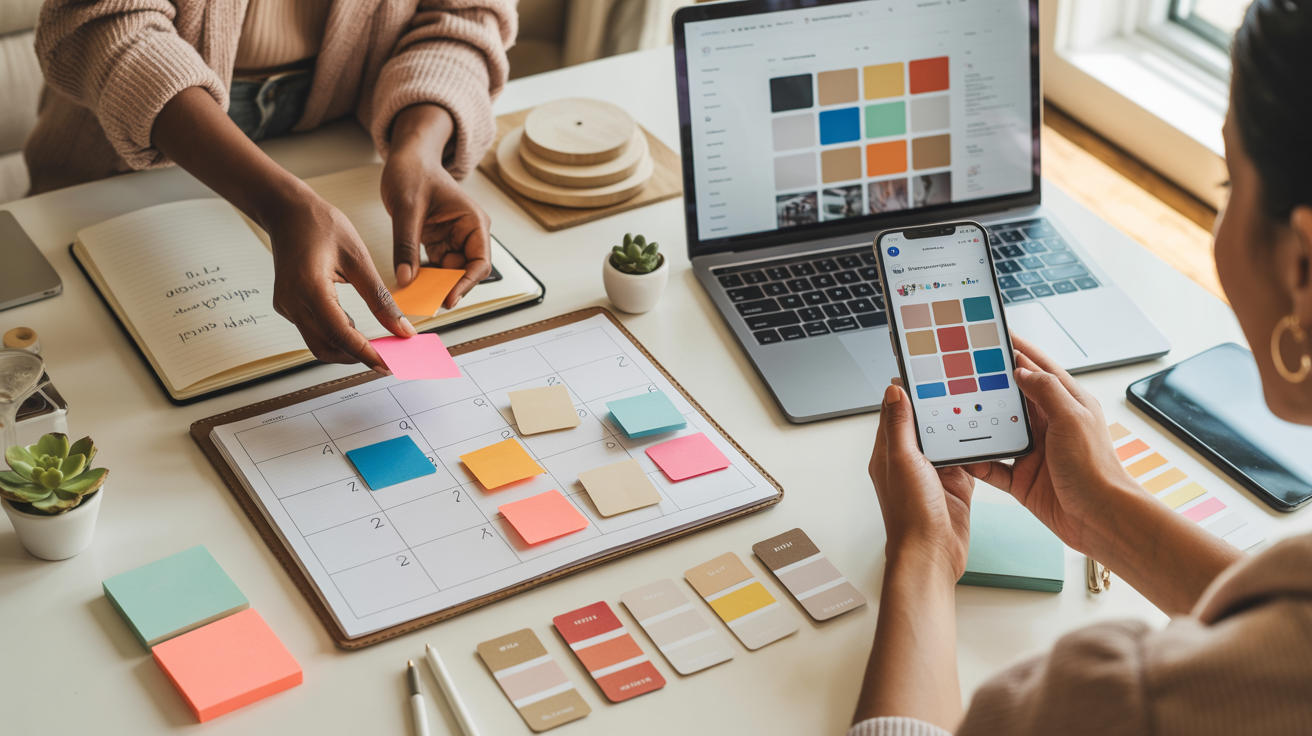
If you have a brand board, a Pinterest board, or a collection of images that inspire your brand aesthetic, look at them with fresh eyes. What visual language do they share? What archetypes do they represent? Your brand inspiration often reflects your dominant archetype more clearly than your current wardrobe does.
Step 3: Ask What You Want to Communicate
Think about the core message of your personal brand or business. What do you want people to feel when they see your photos? Confident and authoritative? Warm and approachable? Creative and original? Grounded and authentic? The archetype that best communicates that feeling is your dominant archetype.
Step 4: Test on Camera
Once you've identified your dominant archetype, put together an outfit that embodies it and take some test photos. How does it feel? Does the outfit communicate what you want it to communicate? Does it feel authentically you? Adjust as needed — the goal is an outfit that feels both intentional and genuine.
Blending Archetypes: When One Isn't Enough
Most people are a blend of two or three archetypes, and that's not only fine — it's often more interesting and authentic than a single archetype in its pure form. Here are some common and effective archetype combinations:
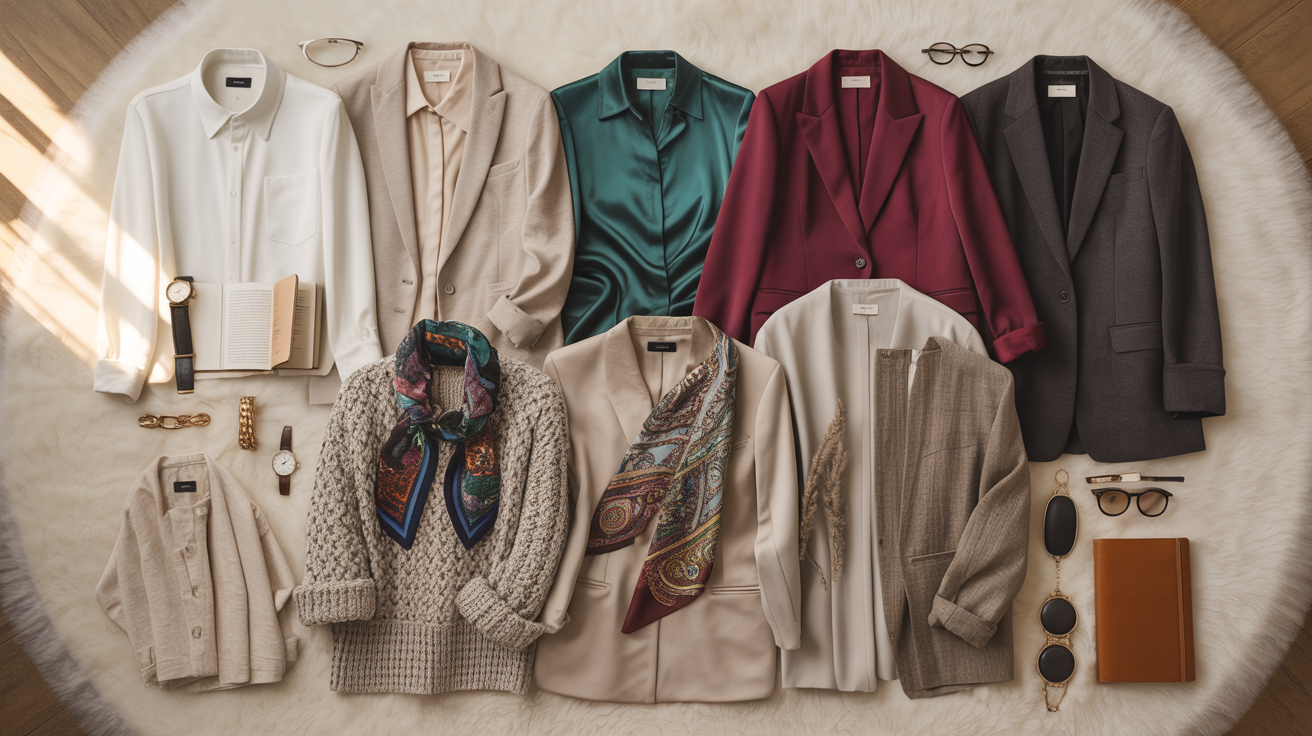
Minimalist + Professional: The clean, precise aesthetic of the Minimalist combined with the authority and structure of the Professional. Think a perfectly tailored charcoal suit with a crisp white shirt — no embellishment, no pattern, just impeccable fit and quality. This combination is particularly effective for consultants, executives, and anyone whose brand is built on expertise and precision.
Creative + Approachable: The originality and expressiveness of the Creative combined with the warmth and accessibility of the Approachable. Think interesting textures and colors in warm, inviting tones — a richly textured rust sweater, a flowing emerald dress, a distinctive but not intimidating statement piece. This combination works beautifully for coaches, educators, and creative service providers.
Bold + Professional: The impact and confidence of the Bold combined with the authority and structure of the Professional. Think a cobalt blue blazer over a crisp white shirt, or a deep red structured dress with clean lines. This combination is particularly effective for speakers, executives, and entrepreneurs who want to project both authority and energy.
Earthy + Approachable: The groundedness and authenticity of the Earthy combined with the warmth and accessibility of the Approachable. Think natural fabrics in warm, inviting tones — a linen shirt in warm cream, a cotton knit in dusty rose, a wool sweater in warm camel. This combination works beautifully for wellness professionals, food producers, and anyone whose brand is built on authenticity and human connection.
Practical Tips for Photoshoot Styling by Archetype
Knowing your archetype is the first step — translating it into a successful photoshoot outfit is the second. Here are practical tips for each archetype:
For Minimalists: Invest in quality over quantity. One beautifully made piece in a perfect neutral will always outperform three mediocre pieces. Pay attention to fit — the Minimalist archetype has nowhere to hide, so every garment needs to fit impeccably. Steam or press everything before the shoot.
For Professionals: Bring your most polished, well-maintained pieces. Check for loose buttons, worn elbows, and faded colors before the shoot. A well-tailored blazer is your most powerful tool — if you only invest in one piece for professional photos, make it a blazer that fits perfectly.
For Creatives: Don't be afraid to take risks, but make sure every choice is intentional. Random eclecticism looks different from curated originality — the difference is whether each element feels chosen with purpose. Test your outfit on camera before the shoot to make sure the visual complexity reads as intentional rather than chaotic.
For Approachables: Focus on comfort and ease — if you're not comfortable in your outfit, it will show in your photos. Choose pieces that allow you to move naturally and feel like yourself. Warm, soft fabrics and relaxed silhouettes will help you look and feel at ease in front of the camera.
For Bolds: Let one element be the star. A bold color, a statement silhouette, or a distinctive piece — choose one and let everything else support it. Competing bold elements cancel each other out and create visual noise rather than impact.
For Earthys: Lean into texture. Natural fabrics with visible texture — linen, chunky knit, raw cotton — photograph with a richness and depth that communicates the Earthy archetype's connection to craft and quality. Pair textured pieces with simpler ones to create visual balance.
Using AI Photo Tools to Test Your Archetype Styling
One of the most powerful ways to explore your style archetype before committing to a full photoshoot is to use an AI photo platform to test different looks. Glowup lets you generate professional-quality images in a variety of styles and settings, making it easy to see how different outfit choices, colors, and aesthetics translate to photos before you invest time and money in a traditional shoot.
Whether you're a professional building a personal brand, a small business owner creating marketing visuals, a content creator developing a signature aesthetic, or simply someone who wants photos that feel authentically you — Glowup gives you the tools to experiment, refine, and create images that truly represent who you are and what you stand for.
Conclusion: Dress With Intention, Photograph With Confidence
Your style archetype is more than a fashion framework — it's a communication strategy. When you dress deliberately for your archetype, every photo you take sends a clear, consistent message about who you are, what you value, and what you offer. That consistency builds recognition, trust, and connection — the foundations of any strong personal brand or business.
The six archetypes in this guide — Minimalist, Professional, Creative, Approachable, Bold, and Earthy — are starting points, not endpoints. Use them to develop a clearer sense of your own visual language, then adapt and evolve that language as your brand grows and changes. The goal isn't to fit into a box; it's to dress with the same intentionality and clarity that you bring to every other aspect of your brand.
Ready to see your style archetype come to life in professional-quality photos? Sign up for Glowup and discover how AI-powered photo enhancement can help you create images that truly reflect your brand personality — whether you're a Minimalist, a Bold, a Creative, or anything in between.